
Overview of ISO 9001:2026
The ISO 9001:2026 standard represents the latest iteration of the internationally recognized framework for quality management systems (QMS). It serves as a guideline for organizations seeking to enhance their operational effectiveness and ensure improved customer satisfaction through consistent quality in products and services. The purpose of ISO 9001:2026 is to help organizations establish processes that lead to continuous improvement, thereby fostering an environment conducive to achieving high standards of quality.
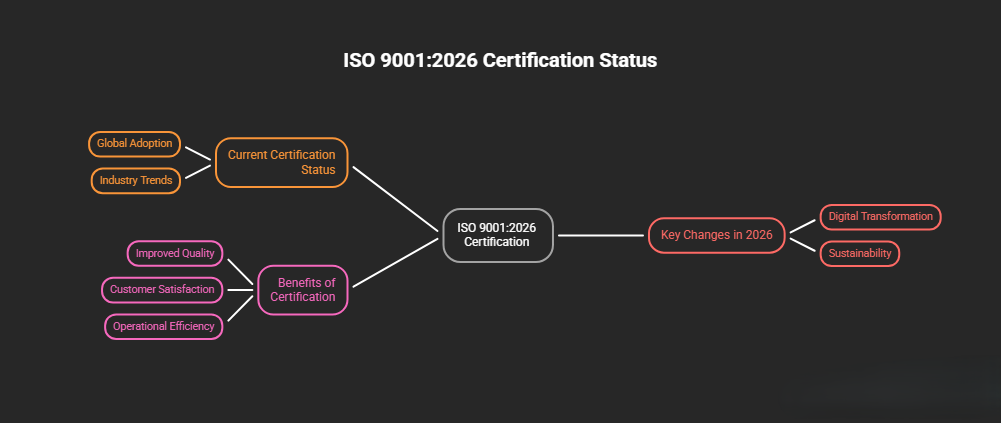
This version of the ISO 9001 standard builds on the strong foundations laid by its predecessors while introducing refinements aimed at contemporary market demands. Key principles remain intact, including a strong focus on customer orientation, leadership engagement, process approach, and evidence-based decision making. However, ISO 9001:2026 extends these principles by integrating emerging trends in technology and stakeholder engagement, which are essential for organizations operating in today’s complex business landscape.
One of the notable differences in ISO 9001:2026 is its emphasis on risk-based thinking, which encourages organizations to proactively identify and manage risks associated with their processes. This approach shifts the focus from merely preventing non-conformities to understanding the risk factors that could impact quality outcomes. Furthermore, the standard highlights the importance of understanding the context in which the organization operates, including the identification of relevant interested parties and their needs. This broader perspective enables organizations to tailor their quality management strategies more effectively.
In conclusion, ISO 9001:2026 is not only a framework for compliance but also a strategic management tool that can significantly influence an organization’s ability to thrive in a competitive environment. By adopting this updated standard, businesses can enhance their quality management systems and ultimately achieve greater customer satisfaction through improved product and service delivery.
Implications of Publication Without Certification
The recent publication of ISO 9001:2026 has generated considerable interest within the business community. However, despite its release, the standard is not yet available for certification. This situation raises significant implications for organizations that rely on quality management systems (QMS) to demonstrate their commitment to quality and continuous improvement.
One of the primary reasons for the delay in certification availability is the grace period offered to organizations. This period allows businesses adequate time to assimilate the changes outlined in the updated standard. Companies currently certified to ISO 9001:2015 will need to transition to the new requirements, ensuring that their existing quality management practices align with the updated guidelines. During this transitional phase, organizations may find themselves in a unique position, as they must balance adhering to the current standard while preparing for the upcoming changes.
Moreover, the absence of certification availability means that organizations cannot immediately claim compliance with ISO 9001:2026. This limitation can affect their competitive standing, as businesses often leverage quality management certifications to enhance customer trust and improve market positioning. Without the ability to showcase certification to the latest version, organizations may face challenges in securing contracts or winning new clients who prioritize certified partners.
Furthermore, companies that are looking to global markets may experience additional hurdles. Many international clients and partners expect compliance with the most current standards. The unavailability of ISO 9001:2026 certification could limit opportunities for collaboration or expansion in global markets where ISO standards are a prerequisite.
In conclusion, while the publication of ISO 9001:2026 is a monumental step toward enhancing quality management practices, the implications of not having immediate certification availability can pose challenges for organizations. They must navigate the transitional grace period effectively to ensure a seamless move towards compliance, maintaining their competitiveness in the marketplace as they work toward aligning with the new standard requirements.
Transitioning to ISO 9001:2026
The transition from prior versions of ISO 9001 to ISO 9001:2026 entails a comprehensive approach that organizations must undertake to ensure compliance with the latest standards. As businesses anticipate the release of this updated certification, it is crucial to understand the steps involved in this transition process to maintain their quality management systems effectively.
Organizations should begin by conducting a gap analysis between their existing quality management systems and the requirements outlined in ISO 9001:2026. This analysis assists in identifying areas that require modification, ensuring that all practices align with the new standards. Stakeholders must engage in discussions regarding these changes and collaboratively develop a transition plan that incorporates timelines, responsibilities, and resources necessary for implementation.
Once the gap analysis is complete, organizations should focus on updating their documented information. This includes procedures, policies, and records that must reflect the new practices introduced by ISO 9001:2026. The documentation process will require thorough reviews and modifications to ensure coherence and adherence to the revised requirements. Training sessions should also be organized to educate employees on the newly established processes and ensure they understand their roles within the updated framework.
Moreover, organizations should implement a robust communication strategy throughout the transition phase. Keeping all team members informed about changes and the rationale behind them can facilitate a smoother integration of the new standards. Regular updates and feedback mechanisms can enhance engagement and address any concerns arising during the transition.
Finally, as the certification date approaches, it is prudent for organizations to conduct internal audits to evaluate compliance with ISO 9001:2026. These audits serve to reaffirm that quality management practices meet requirements prior to external certification assessments. By following these guidelines and proactively preparing for changes, organizations can effectively transition to ISO 9001:2026 and enhance their quality management systems.
Future Perspectives on ISO 9001:2026 Certification
The certification landscape for ISO 9001:2026 is poised for significant developments as organizations increasingly recognize the importance of certifying their quality management systems. While the precise timeline for certification remains uncertain, experts predict that official certification may become available within a few years following the release of the standard. Organizations are encouraged to stay informed about upcoming changes and prepare for the transition towards the latest version of ISO 9001.
Industry analysts highlight that the trajectory towards certification will likely depend on various factors, such as the adoption rate of organizations and the readiness of certification bodies to assess conformity against the new requirements. A key aspect that may influence the timeline is how swiftly organizations can align their existing quality management practices with the updated criteria outlined in ISO 9001:2026. Many organizations are already starting to adapt their practices in anticipation of the new standard, thus positioning themselves advantageously when certification becomes available.
The emphasis on continuous improvement and enhanced customer satisfaction, fundamental to ISO 9001, will remain central in the new edition. Organizations aiming to achieve compliance will need to harness innovative methods, such as digital tools and data analytics, to streamline their quality management systems. This evolution not only aligns with the spirit of ISO 9001 standards but also encourages a culture of proactive compliance and operational efficiency.
Given these developments, organizations should monitor updates from relevant standardization bodies and certification agencies closely. Engaging in discussions within industry forums and seeking guidance from quality management consultants can provide valuable insights as the certification landscape evolves. By remaining proactive, businesses can be well-prepared to navigate the challenges and opportunities that the ISO 9001:2026 certification journey entails.